
UPLIFT
Understanding Practices of Lactation and Infant Feeding Together with Women with HIV in the United States
Uplifting Research
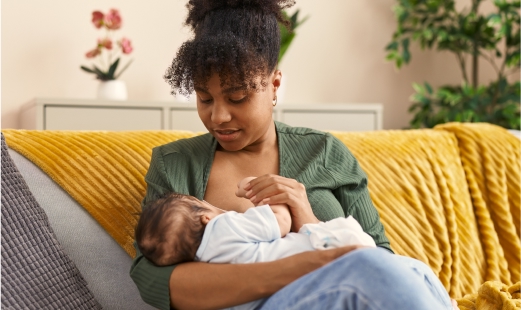
UPLIFT (IMPAACT 2046) is the first study of its kind to explore breastfeeding practices among pregnant and postpartum women with HIV in the US.
This mixed-method, longitudinal study is being conducted across 12 sites across the United States and represents a landmark effort to advance understanding of infant feeding in this population.
Findings from UPLIFT will inform best practices for infant feeding counseling to promote equitable, patient-centered care for women with HIV in the US.

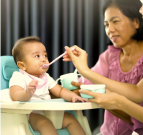
We are working to understand how families make decisions about feeding their babies, especially when facing unique health considerations like HIV.
We will have in-depth conversations with parents, their support systems—such as family members or friends—and healthcare professionals, including doctors, nurses, advanced practice providers, doulas, and lactation consultants.
By learning from these various perspectives, we aim to improve resources and support for families navigating infant feeding choices.
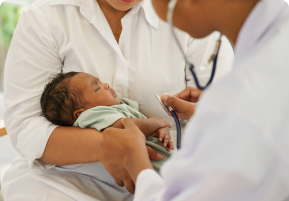
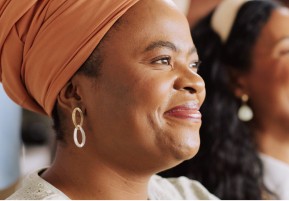
We are conducting a longitudinal observational cohort study at 12 sites across the US.
We will follow women and their babies over time to better understand infant feeding decisions and breastfeeding outcomes while living with HIV. We will identify current infant feeding practices, successes, challenges, and support systems, as well as collect breast milk samples to deepen our understanding of the science behind feeding practices and health outcomes.
Together, we aim to build knowledge that supports healthy and informed choices for all families.
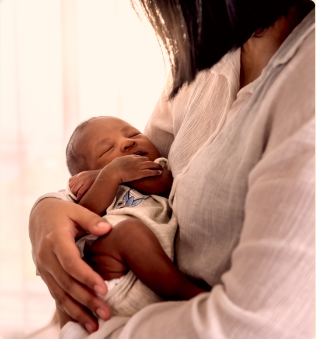
With guidance from community members and healthcare professionals, we will develop and pilot a voluntary, anonymous national database that documents key clinical and infant-feeding indicators among women living with HIV, including viral suppression, antiretroviral therapy use, and breastfeeding duration.
The database will be piloted at select U.S. sites to assess usability, acceptability, and feasibility, and to support evidence-based infant-feeding care.
By using these data, we will establish a strong foundation to understand clinical and infant-feeding patterns and improve infant-feeding care for women living with HIV in the United States.
Why Now?
There has been a monumental shift in the breastfeeding recommendations for women with HIV in the United States. US guidelines have been updated to support shared decision-making regarding infant feeding choices in women with HIV who are receiving treatment with sustained viral suppression.
Yet, there are very limited data on infant feeding decision-making, practices, and outcomes among women with HIV in the US.
Further, there is a need to better understand current practices and support for infant feeding options.
UPLIFT will address the knowledge gaps outlined above through a collaboration with the International Maternal Pediatric Adolescent AIDS Clinical Trials (IMPAACT) Network.
Funders
The UPLIFT study is supported through a cooperative agreement with the Centers for Disease Control and Prevention (CDC) with financial support from the Eunice Kennedy Shriver National Institute of Child Health and Human Development (NICHD). Overall support for the International Maternal Pediatric Adolescent AIDS Clinical Trials Network (IMPAACT) was provided by the National Institute of Allergy and Infectious Diseases (NIAID) with co-funding from NICHD and the National Institute of Mental Health (NIMH), all components of the National Institutes of Health (NIH).

IMPAACT + UPLIFT
UPLIFT is a study conducted within the IMPAACT Network, a global research group focused on improving the health of infants, children, adolescents, and pregnant women affected by HIV. The IMPAACT Network provides the structure, support, and scientific collaboration that make large, multisite studies like UPLIFT possible.
More Study InformationOur Study Team
The UPLIFT team is a multidisciplinary group of professionals working together to improve care and support for women with HIV and their infants.
Our team includes leaders in HIV care, pediatrics, obstetrics, maternal-child health, infectious diseases, breastfeeding, epidemiology, nursing, midwifery, lactation support, behavioral health, qualitative and quantitative research, database science, laboratory science, and public health.
Community members, including parents, advocates, and peer mentors, are essential partners who guide the study and ensure it reflects real-world experiences and priorities.
Meet Our Team